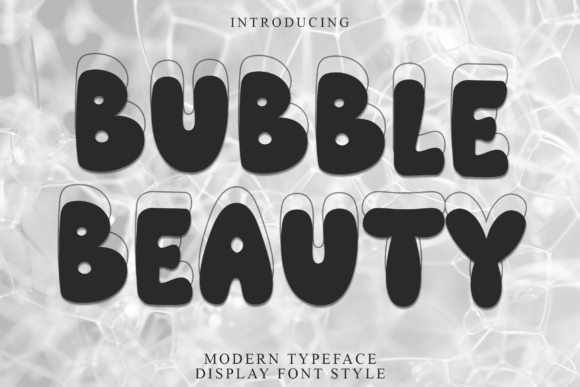
Bubble Beauty: A Whimsical Typeface for Modern Web Design
I was deep in the mockup phase for a boutique online store that curated handmade, seasonal gifts. The brand identity was soft, warm, and inviting, but the client wanted the website to feel like a digital hug. The hero section needed a headline that would stop the scroll and immediately communicate joy. I pulled up Bubble Beauty, typed out “Find Your Festive Spark,” and adjusted the size until it anchored the entire layout. Within seconds, the design felt alive. It was clear this was not just another decorative font — it was a genuine digital asset for creating emotional connections.
Where Bubble Beauty Shines in Digital Design
Bubble Beauty is a display typeface designed to bring celebration and whimsy to the forefront. Its rounded letterforms and playful decorative elements create a sense of handcrafted charm that is often difficult to achieve with standard web fonts. It is not a quiet background player; it is a statement piece. For web designers, UI creators, and digital brand builders, this font offers a unique opportunity to inject personality into a layout without relying on heavy imagery or complex animations. Its natural habitat is the headline, the hero section, and the call-to-action area. It works exceptionally well in the following digital contexts:
- Hero Sections and Landing Pages: This is where Bubble Beauty truly performs. A large, centered headline using this typeface immediately signals a friendly, approachable, and festive brand. It creates a focal point that draws the eye and sets the emotional tone for the entire user journey.
- Call-to-Action Banners and Buttons: When used sparingly, it can make a promotional banner feel incredibly inviting. I tested it on a “Shop the Sale” button overlay, and it gave the element a personal, almost handmade quality that felt more genuine than a standard sans-serif.
- Online Shop Banners and Promo Graphics: For seasonal promotions, holiday sales, or limited edition product drops, Bubble Beauty adds a layer of occasion. It transforms a simple banner into a festive announcement that feels curated rather than generic.
- Blog and Article Headers: For creative blogs, lifestyle websites, or portfolio introductions, using this font for the main article title adds a touch of personality. It tells the reader they are entering a space that values creativity and warmth.
- Course Sales and Portfolio Websites: If you are building a site for a design or crafting course, Bubble Beauty helps establish a warm, inspiring, and approachable tone from the very first glance.
Readability, Responsiveness, and Real-World Performance
As a web designer, my love for a beautiful typeface is always tempered by practical concerns. Can I read it on a phone? Will it hold up on a dark background? Does it work in a responsive layout? In my testing with Bubble Beauty, the answer is yes, but with clear boundaries. Because it is a decorative display font, it is not designed for long body copy, dense navigation menus, or small interface elements. Pushing it into those roles will hurt readability and user experience.
For mobile responsiveness, I recommend setting a minimum size of 24px to 30px for any heading using this font. Below that threshold, the decorative details can become muddy, and the letterforms may feel cramped. I tested it on a standard iPhone screen, and a 28px headline was perfectly legible while still retaining its whimsical charm. For background contrast, Bubble Beauty works best on solid, clean backgrounds or soft, out-of-focus images. High contrast is essential — I found that a dark, rich background with a light or bright colored text created the most striking and readable result. It also performs well as an overlay on muted, soft-focus photographs, as long as the text is given enough space to breathe.
Accessibility is a key consideration. Because of its decorative nature, this font should not be used for critical interface elements like form labels, error messages, legal text, or primary navigation. It is a visual accent, not a workhorse. Pairing it with a clean, highly legible sans-serif for all body text and functional elements ensures that the design remains inclusive and usable for all visitors.
Smart Font Pairings for a Cohesive Brand Identity
A great web design relies on a clear visual hierarchy. Bubble Beauty is the star of the show, so it needs a strong supporting player. In my project, I paired it with a neutral sans-serif for body text, buttons, and navigation. This created a clean, modern contrast that let the decorative headline shine without overwhelming the layout. Here are some pairing strategies that I found effective:
- With a Clean Sans-Serif (Recommended): This is the safest and most versatile approach. A font like Lato, Open Sans, or Montserrat provides a neutral, highly readable counterpoint to Bubble Beauty’s playful curves. The contrast is clear and professional.
- With a Simple Serif: For a more editorial or sophisticated brand identity, pairing Bubble Beauty with a classic serif like Lora or Merriweather creates a lovely tension between whimsy and tradition. This works well for lifestyle blogs, wedding-related websites, or creative portfolios.
- What to Avoid: Avoid pairing Bubble Beauty with another highly decorative or script font. Too much personality in one layout can create visual noise and confusion. Keep the rest of the typography clean and minimal to let the display font take center stage.
What Every Web Designer Should Check Before Buying
Before you purchase a commercial font for a web project, there are a few technical details that can make or break your implementation. Bubble Beauty is a wonderful asset, but it is important to verify that it fits your specific workflow. First, check the file formats. For web use, you will need WOFF and WOFF2 files. If you are prototyping in Figma or Adobe XD, make sure the OTF or TTF files are included in the package. Second, licensing is critical. If you are designing a website for a client, or using the font in a SaaS product, you need a license that explicitly covers web embedding. Bubble Beauty is perfect for creating digital templates, social media graphics, and brand assets, but always read the fine print to ensure your intended use is covered.
Finally, explore the stylistic alternates and ligatures. Many display fonts include extra decorative elements that can be activated through CSS font-feature-settings. Enabling these can give your digital brand a unique, custom touch that feels personalized and intentional. Testing these features in a live browser preview before committing to a final design will save you time and ensure the font behaves exactly as you expect across different devices and browsers. Bubble Beauty is a delightful addition to any web designer’s toolkit, offering a rare combination of festive charm and practical usability when used thoughtfully. It is a font that knows its role and plays it perfectly, helping you create digital experiences that feel both professional and genuinely joyful.